
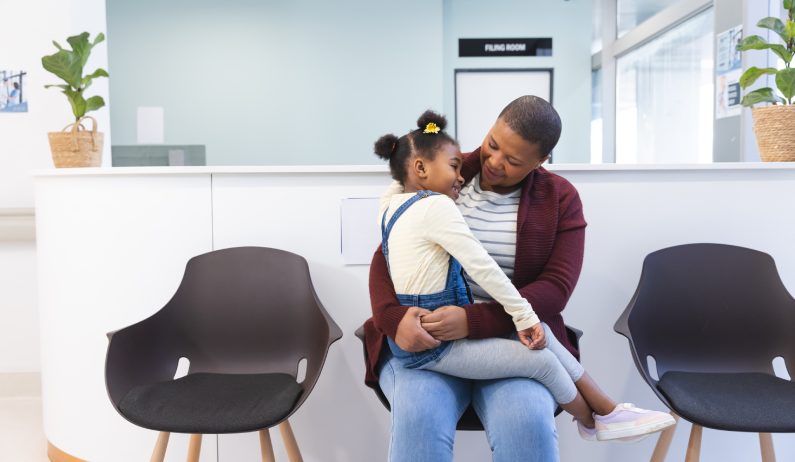
When people walk into health-care spaces, they don’t leave their emotions at the door. For many people—especially those managing anxiety, depression, or trauma—clinical environments can feel overwhelming. That’s why creating a family-friendly health-care environment isn’t just about aesthetics; it’s about supporting mental clarity, emotional safety, and trust from the very first moment.
For individuals already navigating mental health challenges, even small environmental stressors—noise, clutter, or cold, impersonal design—can heighten discomfort. On the other hand, thoughtful, inclusive spaces can help patients regulate their emotions and make care feel more accessible.
Why Environment Matters for Mental Wellness
Health-care settings often focus on efficiency, but the emotional experience is just as important. Businesses in the health and wellness industry are increasingly recognizing that environment plays a role in both patient satisfaction and long-term retention. A welcoming space signals to patients that their well-being matters beyond their symptoms. This is especially critical for families, where one person’s stress can ripple through everyone else. Simple shifts—such as using softer lighting, clear signage, and calming colors—can reduce cognitive overload.
Designing for Comfort Without Overstimulation
Creating a family-friendly space doesn’t mean overwhelming the senses with bright colors or constant activity. Rather, it’s about balance. Quiet zones, comfortable seating, and areas that allow children to engage calmly can make a significant difference.
For example, incorporating designated play areas can help children release energy in a structured way, reducing stress for both the child and their caregiver. Implementing thoughtful design strategies for a kid-friendly waiting room can support emotional regulation without creating chaos.
Equally important is accessibility. Clear, easy-to-read materials and signage reduce confusion and anxiety, especially for patients who may already feel overwhelmed. Prioritizing readability in your space aligns with best practices for enhancing patient education materials, ensuring that information feels approachable rather than intimidating.
Supporting Both Patients and Providers
Creating a family-friendly health-care environment benefits more than just patients—it also supports the people delivering care. When you design a space with emotional wellness in mind, your staff will experience reduced stress, less burnout, and more meaningful interactions with the patients they’re serving.
This approach acknowledges a simple truth: mental health doesn’t exist in isolation. The environment we move through each day shapes how we think, feel, and respond. By intentionally designing spaces that prioritize calm, clarity, and inclusivity, health-care providers can create experiences that feel less clinical and more human.
Ultimately, designing a family-friendly medical environment is about meeting people where they are—emotionally, mentally, and physically—and offering a space that feels safe enough to begin healing.