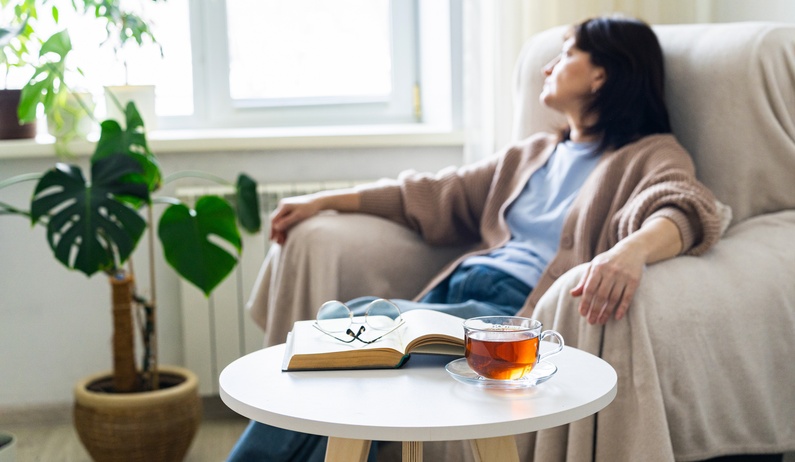
Mental stress at home can build through daily pressure and repeated demands that test patience and focus across many personal routines. A steady approach can reduce tension and support clear thought through consistent habits that fit your schedule and respect your limits. A calm home environment supports better mood through small choices that shape daily experience and limit unwanted noise or distraction.
These strategies to manage mental stress at home present focused actions that create structure without heavy effort or rigid control over every moment. You can apply these ideas with ease and adapt them to your space without major change or cost or extended preparation.
Create a Calm Physical Space
A calm space can reduce tension and support focus through thoughtful placement of furniture, light, and personal items across each room. You can remove clutter and keep surfaces clear to support ease of movement and reduce visual noise that distracts attention. Soft light and simple colors can create a relaxed mood that supports calm thought and steady breathing during daily tasks.
Personal touches can support comfort and reflect your values through items that hold meaning and support positive memory recall. You can place books or simple decor in key areas to create a sense of belonging and stability within your home. This approach builds a supportive environment that aligns with your needs and encourages calm responses during stressful moments.
Practice Simple Breathing Techniques
Breathing exercises can support calm states and reduce tension through controlled patterns that regulate the body’s response to stress. You can inhale through your nose and exhale through your mouth with steady timing to support balance and reduce rapid thought. This practice can fit into any part of your day and does not require special tools or space.
Short sessions can provide relief and support focus through consistent repetition that trains the body to respond with calm rather than tension. You can set reminders to pause and breathe at regular intervals to maintain steady control over your mental state. This habit can strengthen your ability to remain composed during challenging situations at home.
Use Quilting as a Focused Activity
Creative tasks can support calm focus and reduce mental strain through steady repetition and clear progress that you can observe over time. You can set aside time for quilting and focus on each step with care to support attention and reduce racing thoughts. This method supports a calm state through tactile work that engages the senses and creates a steady rhythm.
Lowering your stress hormones is one of the best ways quilting can improve your mental health; this can support calm focus and a steady mood through repeated patterns. You can complete small sections and see progress that reinforces confidence and supports a sense of control over your environment. This approach creates a reliable outlet that you can return to during periods of high stress or mental fatigue.
Display Meaningful Art at Home
Art can shape mood and influence thought through visual cues that reflect personal values and positive experiences within your space. You can select pieces that resonate with you and place them where you spend time to support calm focus and stable emotion. This approach creates a visual anchor that reminds you of purpose and supports a grounded mindset.
Learning more about the positive mental impact of hanging art at home will help create a space that supports calm thought and emotional balance. You can rotate pieces or adjust placement to refresh your environment and maintain interest without major effort or cost. This method supports ongoing engagement with your space and reinforces a sense of control and comfort.
Set Boundaries With Technology
Technology can create constant demand on attention, which increases stress through alerts messages and endless streams of information across devices. You can set limits on use and create device-free periods to protect your focus and support mental clarity at home. This approach reduces noise and allows your mind to rest without interruption from external input.
Clear boundaries can support balance and reduce pressure through defined periods that allow you to disconnect and recharge with ease. You can keep devices out of certain rooms to create zones that support calm and uninterrupted rest during key parts of your day. This method strengthens your control over attention and supports a stable mental state.
Engage in Backyard Activities
Outdoor time can support mental health through fresh air, natural light, and simple movement that reduces tension and supports steady energy. You can step outside and engage in light activity that connects you with your surroundings and provides a break from indoor routines. This shift can refresh your mind and support a more balanced perspective on daily challenges.
With these backyard activities that can boost your mental health, you will create a routine that supports calm focus and steady mood. You can choose simple tasks such as light exercise or quiet reflection that fit your comfort level and available space. This approach supports regular outdoor exposure that can improve mental resilience and support overall well-being.
Focus on Nutrition and Hydration
Nutrition can influence mood and energy through consistent intake of balanced meals that support brain function and physical stability across each day. You can plan meals that include whole foods and maintain regular eating times to support steady energy and reduce sudden drops. This approach supports a stable internal state that can reduce irritability and mental fatigue.
Hydration plays a role in mental clarity and overall function through adequate water intake that supports body processes and cognitive performance. You can keep water nearby and set reminders to drink at regular intervals to maintain proper levels. This habit supports consistent performance and helps prevent avoidable stress linked to physical imbalance.
Incorporate Gentle Physical Movement
Movement is one of the best ways to support mental health at home through physical activity that releases tension and supports a balanced mood. You can choose gentle exercises that fit your ability and space to maintain consistency without strain or discomfort. This approach supports a steady habit that promotes calm and improves overall resilience.
Short sessions can provide relief and support focus through regular practice that reinforces a positive connection between body and mind. You can integrate movement into your routine with ease and adjust intensity to match your energy levels each day. This method supports sustainable activity that contributes to long-term mental stability.
Managing mental stress at home requires steady habits and thoughtful choices that support calm focus and emotional balance across daily life. Each method offers a practical approach that you can apply without complex systems or major changes to your routine. Consistency and awareness can help you maintain control and create a stable environment that supports well-being.
A balanced home life supports mental health through structure and simple activities that reinforce calm responses to stress. You can build a routine that fits your needs and adjust as needed to maintain steady progress over time. These strategies provide a clear path toward a more composed and focused state within your home environment.